
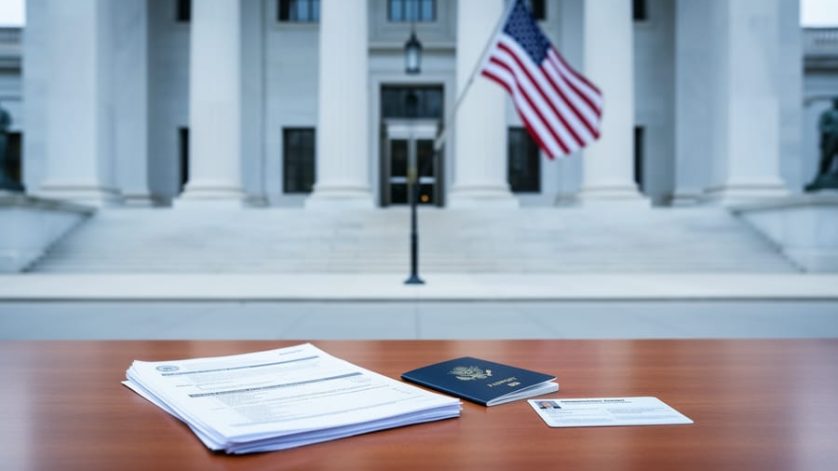
US Citizenship and Immigration Services (USCIS) employment refers to two distinct pathways: career opportunities within the federal agency itself, and the employment authorization documents and processes USCIS administers for foreign workers seeking to build their lives in the United States. If you’re exploring career paths at USCIS, you’ll find positions ranging from immigration officers to administrative roles that support the agency’s mission. If you need work authorization in the U.S., USCIS processes Employment Authorization Documents (EADs), green card applications, and temporary work visas that determine your ability to earn income legally.
Understanding how work and immigration systems function across North America helps you make informed decisions about your career path, whether you’re considering opportunities south of the border or comparing how Canada’s immigration framework differs from the U.S. model. For Quebec-based job seekers, this knowledge becomes particularly valuable when weighing cross-border employment options or helping family members navigate U.S. work authorization.
This guide breaks down both aspects of USCIS employment, offering clarity on how to pursue federal careers with the agency and how to secure the work permits that open doors to American employers. You’ll gain practical insights into timelines, eligibility requirements, and the steps that turn immigration documents into real job opportunities.
What US Citizenship and Immigration Services Does
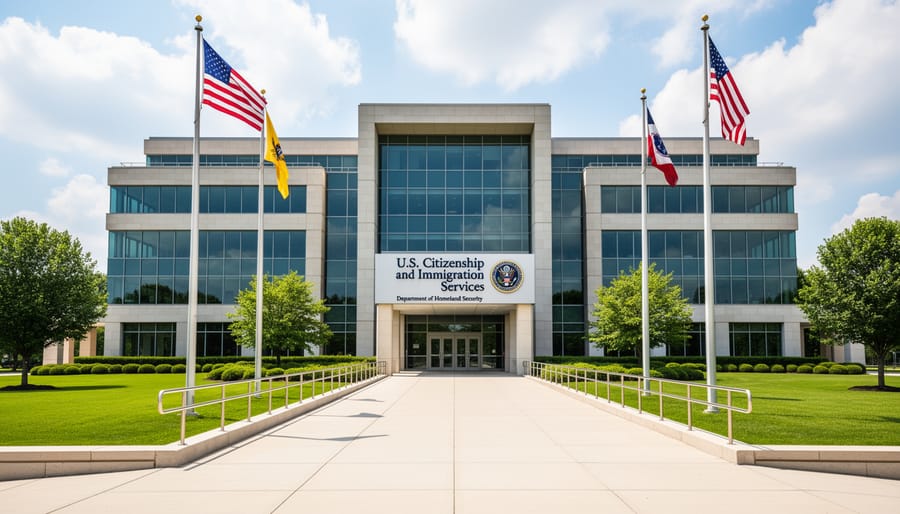
US Citizenship and Immigration Services (USCIS) is the federal agency that handles nearly all immigration benefits for people coming to or staying in the United States. Unlike border enforcement agencies, USCIS focuses on processing applications for green cards, work permits, naturalization, asylum, and various other immigration statuses. For employment purposes, USCIS issues EADs (Employment Authorization Documents) that allow non-citizens to work legally while their immigration cases are pending or based on specific visa categories.
Understanding USCIS operations matters for job seekers in several ways. If you’re considering employment in the US, you’ll likely interact with USCIS for work authorization. If you’re pursuing a career in immigration services, knowledge of USCIS procedures provides valuable context, similar to how professionals pursuing an HR analytics certification gain specialized knowledge to advance their careers. USCIS also serves as a useful comparison point for understanding Canada’s immigration employment system, since both countries use similar frameworks for processing work permits, though with different forms and timelines. Familiarity with USCIS helps you navigate the broader North American employment landscape.
Employment Opportunities at USCIS
Common USCIS Job Positions

USCIS maintains a diverse workforce across hundreds of offices nationwide, with several core position types appearing regularly on federal job boards. Immigration Services Officers form the backbone of the agency, reviewing applications for green cards, naturalization, and various immigration benefits. These officers analyze documentation, conduct interviews, and make eligibility determinations on cases, work that requires strong analytical skills and attention to detail.
Asylum Officers specialize in interviewing individuals seeking protection in the United States, assessing credible fear claims, and making initial asylum determinations. This role demands cultural sensitivity, interviewing expertise, and the ability to handle emotionally complex situations while applying immigration law.
Immigration Information Officers staff USCIS contact centers and field offices, providing direct customer service to applicants navigating the immigration process. They answer questions about application status, explain filing procedures, and help resolve case-specific issues through phone, email, and in-person channels.
Behind these frontline positions, USCIS employs substantial administrative and support staff. Management and Program Analysts develop policies and improve operational efficiency. Human Resources Specialists handle the agency’s own hiring and personnel needs. IT Specialists maintain the systems processing millions of applications annually. Legal Administrative Specialists support agency attorneys handling appeals and litigation.
The agency also hires seasonal and temporary staff during peak processing periods, offering entry points for those interested in federal immigration work. Most positions require US citizenship, though some administrative roles accept lawful permanent residents.
Eligibility and Requirements for USCIS Jobs
Most USCIS jobs require citizenship making US citizenship the primary eligibility barrier for applicants. While a few administrative support roles may accept lawful permanent residents, the vast majority of positions, especially immigration services officers, adjudicators, and asylum officers, demand citizenship because they involve handling sensitive national security information and making determinations on immigration benefits.
Educational requirements vary by position. Entry-level customer service roles typically require a high school diploma or equivalent, while immigration services officers need at least a bachelor’s degree in any field. Specialized positions may require specific academic backgrounds or advanced degrees, particularly for policy analysis or legal review roles.
All candidates must pass rigorous background investigations. These include fingerprinting, credit checks, employment verification, and interviews with references. Most positions require a Public Trust or Secret security clearance, which examines your history for reliability, trustworthiness, and loyalty. The process can take several months and scrutinizes past employment, financial records, and personal conduct.
Language skills can strengthen your application. While English proficiency is mandatory, bilingual candidates fluent in Spanish, Mandarin, or other commonly spoken languages often have competitive advantages, particularly in customer-facing roles serving diverse communities.
How USCIS Employment Authorization Affects International Job Seekers

USCIS manages employment authorization for millions of non-US citizens each year through a system that directly impacts international job seekers’ ability to work legally in the United States. The Employment Authorization Document (EAD), also known as Form I-766, serves as proof that USCIS has granted permission for a foreign national to work. This authorization process connects closely to how immigration systems function across North America, including Canada’s work permit framework.
The EAD application process typically begins when someone files Form I-765 with USCIS, either as part of another immigration benefit application or as a standalone request. Different categories of applicants qualify for employment authorization based on their immigration status: asylum seekers, certain visa holders’ spouses, students seeking practical training, and individuals with pending green card applications all fall under specific authorization categories. Each category carries distinct eligibility requirements and processing timelines.
| Authorization Category | Typical Processing Time | Primary Eligibility |
|---|---|---|
| Asylum Applicants | 3-5 months | Pending asylum application filed 150+ days prior |
| H-4 & L-2 Spouses | 4-6 months | Spouse holds valid H-1B or L-1 visa |
| F-1 OPT Students | 3-5 months | Degree completion, school recommendation |
| Adjustment of Status | Concurrent with I-485 | Pending green card application |
Understanding USCIS employment authorization helps Quebec-based job seekers considering US opportunities or comparing immigration pathways. Canada’s immigration system operates similarly but separately, issuing work permits through Immigration, Refugees and Citizenship Canada (IRCC) rather than USCIS. Both systems require foreign nationals to obtain explicit authorization before starting employment, though specific categories and timelines differ.
For individuals navigating cross-border employment between Quebec and the US, recognizing these parallel processes proves valuable. Someone holding a Canadian work permit cannot automatically work in the US without separate USCIS authorization, and vice versa. Each country maintains independent employment verification systems (E-Verify in the US, similar employer compliance requirements in Canada) that check authorization status before hiring can proceed legally.
The USCIS Application and Hiring Process
Navigating the federal hiring system requires patience and attention to detail, but understanding the steps makes the process less daunting. All USCIS positions are Posted on USAJOBS the official federal government employment portal. Create an account, upload your resume in the required format, and search for United States Citizenship and Immigration Services openings. You can filter by location, job series, and pay grade to find roles matching your qualifications.
Once you identify a suitable position, read the entire job announcement carefully. Federal applications demand precise responses to assessment questions, and each vacancy listing specifies required documents such as transcripts, certifications, or writing samples. Submit your application before the closing date, ensuring every requested item is included. Incomplete applications rarely advance.
After submission, qualified candidates receive invitations for interviews, which may occur in person, by phone, or via video conference. USCIS interviews typically focus on your experience handling complex documents, working with diverse populations, and maintaining confidentiality. Prepare specific examples demonstrating problem-solving skills, cultural sensitivity, and attention to regulatory detail. Interviewers often ask scenario-based questions about handling difficult cases or managing competing priorities.
If offered a position, you’ll enter the onboarding phase, which includes extensive background investigations. USCIS conducts thorough security clearances examining your employment history, financial records, and personal references. This process can take several months. During this period, you may need to provide additional documentation, complete fingerprinting, and undergo interviews with federal investigators.
New hires complete mandatory training covering immigration law fundamentals, agency procedures, and information security protocols. Training duration varies by position, ranging from weeks for support roles to several months for adjudicator positions. Throughout this process, maintain regular communication with your hiring coordinator and respond promptly to any requests. The timeline from application to first day often spans six to twelve months, reflecting the thorough vetting required for federal immigration work.
Understanding Cross-Border Employment Context
Understanding how USCIS processes work gives cross-border professionals a crucial advantage when navigating employment between the United States and Canada. Both countries maintain similar immigration frameworks requiring work authorization before employment begins, though their administrative structures differ. USCIS handles US employment authorization through Form I-765 and Employment Authorization Documents, while Immigration, Refugees and Citizenship Canada (IRCC) manages Canadian work permits through separate channels. Knowing both systems helps professionals identify which opportunities align with their immigration status and long-term career goals.
Workplace cultures in US and Canadian immigration agencies share common values around public service, attention to regulatory detail, and multicultural competency. Both countries emphasize customer service skills when processing employment authorization requests, creating transferable experience for professionals moving between these sectors. Pay structures differ slightly, with US federal positions using the General Schedule (GS) system while Canadian public service follows classification levels, but benefits packages remain competitive in both nations.
For job seekers considering North American opportunities, understanding these parallel systems creates strategic advantages. Experience processing employment authorization at USCIS translates well to similar roles at Canadian immigration offices or settlement agencies. The work visa pathway knowledge gained from either system helps professionals guide others through these processes or pursue compliance roles in multinational corporations managing international employees.
Several resources support cross-border employment navigation. Both USCIS and IRCC maintain online portals detailing employment authorization requirements, processing times, and application procedures. Professional organizations like the American Immigration Lawyers Association and the Canadian Bar Association Immigration Law Section offer networking opportunities connecting immigration employment professionals across borders.
Common Questions About USCIS Employment
Do I need to be a US citizen to work at USCIS?
Most positions at US Citizenship and Immigration Services require US citizenship due to the sensitive nature of immigration adjudication work and security clearance requirements. Some administrative or support roles may accept permanent residents, but these are limited.
Does USCIS offer remote work options?
Some USCIS positions offer telework arrangements, though many roles require in-person work at field offices or service centers. The availability of remote job opportunities varies by position type and operational needs.
What benefits come with USCIS employment?
As a federal employee, you’ll receive comprehensive health insurance, retirement plans through the Federal Employees Retirement System, paid leave, and job security. Career advancement opportunities exist through promotions within immigration services or transfers to other federal agencies.
Can USCIS work experience help me get immigration jobs in Canada?
Experience with US immigration processes translates well to Canadian immigration sector roles, particularly in understanding complex case adjudication, regulatory compliance, and applicant services. This cross-border knowledge proves valuable for positions with Immigration, Refugees and Citizenship Canada or immigration consulting firms serving North American clients.
Beyond these common questions, prospective USCIS employees should understand that the hiring process involves extensive background checks and can take several months to complete. The competitive nature of federal positions means strong candidates typically demonstrate both relevant education and a commitment to public service in immigration matters.
Understanding US citizenship and immigration services employment means recognizing two distinct yet interconnected pathways: building a career within USCIS itself or obtaining work authorization processed by the agency. Whether you’re exploring federal job opportunities at USCIS, applying for an employment authorization document, or simply learning how US immigration systems compare to Canadian processes, grasping these fundamentals helps you make informed decisions about your professional future. The processes and principles you’ve encountered here, from application procedures to eligibility requirements, apply broadly across North American immigration employment systems. As you navigate your own path, remember that immigration and employment support resources exist on both sides of the border to help you succeed. Take the time to assess which pathway aligns with your goals, gather the necessary documentation, and approach the process with patience and thoroughness.