
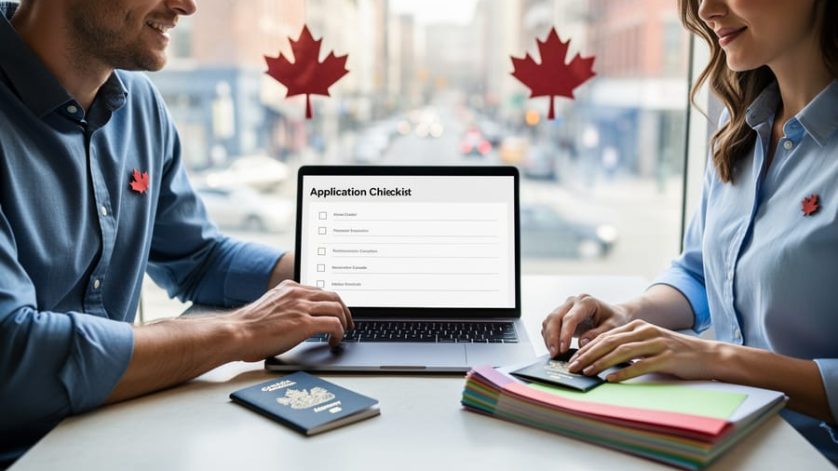
If you’re applying for a spousal open work permit in Canada, the current processing time is approximately 9 weeks. This timeline applies when you’re a spouse or common-law partner being sponsored for permanent residence and already living in Canada with an Acknowledgement of Receipt (AOR) confirming your application is in process.
Understanding this timeframe helps you plan your finances, career moves, and daily life during what can feel like an uncertain waiting period. The 9-week estimate gives you a realistic window to prepare for employment, but actual processing times can vary based on application volume and individual circumstances.
A spousal open work permit offers valuable flexibility. Unlike employer-specific work permits, this document allows you to work for any Canadian employer in almost any position, giving you freedom to build your career in Quebec City or anywhere else in Canada while your permanent residence application moves forward. You can start applying for jobs, update your resume to Canadian standards, and begin networking well before your permit arrives.
The application itself is straightforward. You’ll need to demonstrate your relationship, prove you’re being sponsored for permanent residence, and pay the required fees: CA$155 for the open work permit and CA$100 for the open work permit holder fee, totaling CA$255. Dependent children of sponsored applicants may also qualify.
While 9 weeks might feel long when you’re eager to start working and contributing financially, this processing window is manageable. This guide walks you through everything you need to know about eligibility requirements, application steps, costs, and productive ways to spend your waiting time so you’re ready to hit the ground running once your permit is approved.
Current Processing Time for Spousal Open Work Permits

As of 2026, Immigration, Refugees and Citizenship Canada (IRCC) processes Spousal Open Work Permit applications in approximately 9 weeks. This timeline represents the standard processing period from the date IRCC receives your complete application to when a decision is made. However, it’s important to understand that this is an estimate, not a guarantee.
Several factors can influence how quickly your application moves through the system. The completeness of your application package plays a significant role: missing documents or unclear information will cause delays as IRCC requests additional materials. The volume of applications IRCC is handling at any given time also affects processing speeds, which is why timelines can fluctuate throughout the year.
Your individual circumstances matter too. If IRCC needs to verify specific details about your relationship, conduct additional background checks, or request an interview, your application will take longer than the standard 9 weeks. Applications submitted during peak periods, such as summer months when many families plan their moves, may also experience slightly longer processing times.
While 9 weeks is the current benchmark, some applicants receive their work permits sooner, while others wait longer. This variation is normal and doesn’t necessarily indicate a problem with your application. IRCC regularly updates processing times on their official website, and these figures can change as operational conditions shift.
The best approach is to plan for the 9-week timeline while remaining flexible. Check the IRCC website regularly for the most current processing estimates, as these reflect real-time data about how quickly applications are moving through the system. This will give you the most accurate picture of what to expect for your specific situation.
Who Can Apply for a Spousal Open Work Permit
To qualify for a Spousal Open Work Permit, you must meet specific criteria that centre on your relationship status and your permanent residence application. This permit isn’t available to everyone, so understanding whether you’re eligible will save you time and help you plan accordingly.
You can apply if you’re a spouse, common-law partner, or conjugal partner living in Canada who is currently being sponsored for permanent residence. The key requirement is that you must already have an active sponsorship application submitted, and you’ll need an Acknowledgment of Receipt (AOR) from Immigration, Refugees and Citizenship Canada confirming your permanent residence application is being processed. Without this AOR, you cannot proceed with the work permit application.
Spouses are individuals who are legally married, while common-law partners are those who’ve lived together in a conjugal relationship for at least one year. Conjugal partners are people in a committed, marriage-like relationship who cannot live together due to circumstances beyond their control, such as immigration barriers or persecution in their home country.
If you’re the principal applicant in a permanent residence sponsorship case and you have dependent children, they may also be eligible for an open work permit if they’re accompanying you in Canada. This provision recognizes that families often need multiple income sources while settling into their new life.
One critical point: you must be physically living in Canada when you apply. This permit category specifically supports families who are already in the country, allowing them to work while they wait for permanent residence processing to complete. If you’re outside Canada, you’ll need to explore different pathways.
The eligibility requirements are straightforward but strict. Meeting them means you’ll have the freedom to work for any Canadian employer in any occupation, giving your family financial stability during what can be a lengthy immigration process.
Understanding the Application Process

Applying for a Spousal Open Work Permit runs parallel to your permanent residence sponsorship application, and understanding how these two processes connect will help you navigate the paperwork with confidence.
Before You Begin: The AOR Requirement
You can’t apply for the work permit until you have your Acknowledgment of Receipt (AOR) from Immigration, Refugees and Citizenship Canada. This letter confirms your permanent residence sponsorship application is officially being processed. Once you receive it, typically within a few weeks of submitting your sponsorship application, you’re ready to apply for the work permit.
Gathering Your Documents
Start by collecting everything you’ll need. You’ll require proof of your relationship with your sponsor (marriage certificate, photos together, joint bank statements, or proof of cohabitation for common-law partners). Have your passport, identification documents, and digital photos ready. Most importantly, you’ll need that AOR letter mentioned above, along with proof you’ve paid the required fees.
Completing the Application
Apply online through the IRCC secure account portal. Create your account if you don’t have one already, then navigate to the work permit application section. Fill out the forms carefully, double-check names, dates, and addresses match your supporting documents exactly. Upload clear, legible copies of all required documents. The system will prompt you for each piece, so follow the checklist it provides.
Submitting and Paying Fees
The total cost is CA$255: CA$155 for the open work permit application itself and CA$100 for the open work permit holder fee. Pay directly through the online portal using a credit or debit card. Save your payment receipt as confirmation.
After Submission
Once you submit everything, you’ll receive a confirmation number. Keep this safe, you’ll need it to check your application status. The system will also confirm receipt of your documents and payment. From here, the roughly 9-week processing timeline begins.
Stay organized throughout. Create a folder (digital or physical) with copies of everything you’ve submitted. This makes it easier if IRCC requests additional information or clarification during processing.
Application Fees and Costs
Applying for a Spousal Open Work Permit requires payment of two separate government fees. The total cost is CA$255, which breaks down into specific components that fund different aspects of your application processing.
| Fee Type | Amount (CAD) | What It Covers |
|---|---|---|
| Open Work Permit Application | $155 | Processing your work permit application |
| Open Work Permit Holder Fee | $100 | Issuing the actual work permit |
| Total | $255 | Complete application and permit issuance |
The CA$155 application fee covers the government’s cost of reviewing your eligibility, verifying your documents, and processing your request. The CA$100 holder fee is charged once your application is approved and goes toward issuing your physical work permit.
You’ll pay both fees upfront when submitting your application. Immigration, Refugees and Citizenship Canada accepts payment through their online portal using major credit cards (Visa, Mastercard, American Express) or through bank-issued prepaid cards. Keep your payment receipt as proof of submission.
These fees are non-refundable, even if your application is denied or you withdraw it. Budget for the full CA$255 as part of your family’s relocation planning to Quebec City, and ensure you have a valid payment method ready before starting your online application.
While You Wait: Preparing for Work in Quebec City

Those nine weeks don’t have to be idle time. While you wait for your Spousal Open Work Permit, you can build a strong foundation for your career in Quebec City.
Start by exploring the city’s job market. Quebec City’s economy leans heavily on technology, government services, tourism, and insurance. Understanding how work & immigration intersect here helps you target the right opportunities. Browse job boards, note which skills appear repeatedly in postings, and identify employers who actively hire newcomers.
French proficiency opens significantly more doors here. If you’re not already comfortable in French, spend this waiting period on daily practice through apps, conversation groups, or online courses. Many Quebec City employers expect at least functional French, even in bilingual roles.
Familiarize yourself with Quebec’s professional culture which values punctuality, formal greetings, and relationship-building. Understanding these norms before you start applying gives you an edge. Research how to follow up properly after interviews, as local expectations may differ from what you’re used to.
Build your network now. Connect with professional associations, attend virtual meetups, and reach out to people working in your field. Consider remote job options that let you start earning immediately upon permit approval.
This preparation time transforms waiting into momentum, so you’re ready to hit the ground running the moment your permit arrives.
Common Questions About Spousal Open Work Permit Processing
The uncertainty of waiting for a work permit can feel overwhelming, especially when your career plans and financial stability hang in the balance. These are the questions that most applicants ask as they navigate this process.
Can I work while waiting for my Spousal Open Work Permit?
No, you cannot work until your permit is approved, unless you already hold a valid work permit. You must wait to receive your Spousal Open Work Permit before starting any employment in Canada.
What should I do if processing takes longer than 9 weeks?
First, check your application status online through your IRCC account. If it exceeds the standard processing time significantly, you can submit a web form inquiry to IRCC asking about your application’s status, but understand that inquiries before the processing time has passed typically receive standard responses.
How do I check my application status?
Log into your IRCC secure account where you submitted your application to see real-time updates on your work permit processing. You’ll receive email notifications when there are significant changes to your application status.
What happens after my Spousal Open Work Permit is approved?
You’ll receive your work permit document, which allows you to work for any employer anywhere in Canada. The permit remains valid while your permanent residence application is being processed, giving you the freedom to build your career and contribute financially to your household.
Will my permit be rejected if my permanent residence application is refused?
Yes, your Spousal Open Work Permit is tied to your permanent residence application. If the sponsorship application is refused or withdrawn, your work permit will no longer be valid.
Can I leave Canada while my work permit application is processing?
Yes, but you’ll need a valid visitor visa or eTA to return to Canada if you’re from a country that requires one. Leaving Canada doesn’t affect your application processing, though you should ensure you can return legally before traveling.
The key to managing this waiting period is staying informed and prepared. Keep your contact information updated in your IRCC account so you don’t miss important communications. If IRCC requests additional documents, respond promptly to avoid delays.
Remember that the 9-week timeline is an estimate based on current processing patterns. Individual cases vary depending on factors like application completeness, background checks, and overall application volume. This is why having your documents organized and your AOR confirmed before applying makes such a difference to your timeline.
Once approved, your permit gives you the flexibility to work in Quebec City or anywhere else in Canada. You’re not tied to a specific employer or job, which means you can explore opportunities that match your skills and career goals while your family builds its permanent life here.
Key Points to Remember
As you navigate the application process, keep these essential points in mind. The current processing timeline of around 9 weeks gives you a realistic window for planning, though individual cases can vary based on application volume and completeness of documentation. This timeframe starts once Immigration, Refugees and Citizenship Canada receives your complete application.
Eligibility hinges on your relationship status and sponsorship situation. You must be a spouse, common-law partner, or conjugal partner being sponsored for permanent residence and currently living in Canada. The AOR is your gateway to applying, without confirmation that your permanent residence application is being processed, you cannot submit your work permit application. Dependent children of the principal applicant may also be eligible.
Budget CA$255 for the application: CA$155 for the open work permit itself and CA$100 for the open work permit holder fee. These fees are non-refundable, so ensure your application is complete and accurate before submitting.
The real value of this permit extends beyond the processing time. It allows you to work for any employer in any location across Canada, removing the restrictions that come with closed work permits. This flexibility supports your family’s financial needs during the permanent residence process and helps you establish professional connections in Quebec City’s job market. You’re not just waiting, you’re building the foundation for your new life in Canada.